


Description
The warranty coverage is arguably the most comforting feature. Nowadays, the majority of automakers provide eight years or launch odb2 scanner 100,000 miles of protection, which ensures that the battery will maintain a specific percentage of its capacity, typically about 70%. But here is the good news: the average driver does not need to obsess over these details. Because of this safety net, you are protected for the majority of your ownership experience even in the worst-case scenario.
You can feel confident in your purchase when a manufacturer backs up its claims. Living in a scorching desert or a freezing tundra will also have an impact, though modern thermal management mitigates much of this. You have choices when a pack eventually fades. In the meantime, recycling initiatives repurpose old cells by recovering nickel, cobalt, and lithium. Batteries are rapidly becoming part of the circular economy.
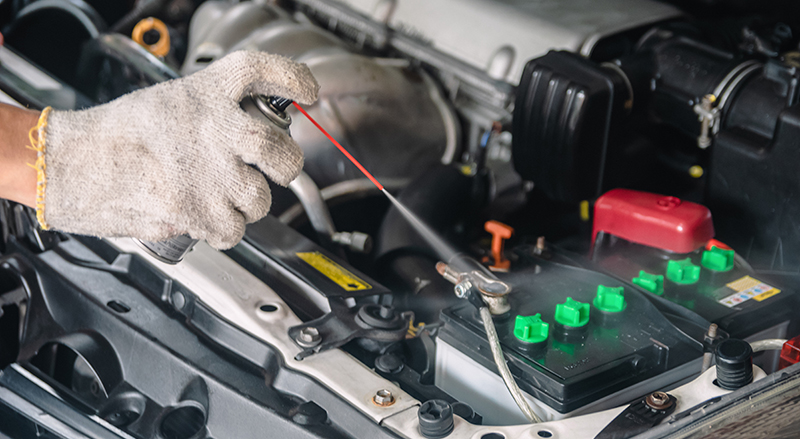 Additional options include cell-level repairs from independent stores and remanufactured packs. For many models, what used to cost $20,000 now typically costs $5,000 to $10,000. The cost of replacements has been steadily declining. The most important aspect of battery health is thermal control. The cells can be stressed by extreme temperatures, such as the scorching heat of a desert summer or the bitter cold of a northern winter.
Although these systems are sealed and typically don't require owner intervention, parking carefully can be beneficial. Garages in the winter and shaded areas in the summer are good options for your vehicle. However, the battery is not a mysterious, maintenance-free black box. It doesn't need routine maintenance in the conventional sense, but it does benefit from a few considerate practices that can greatly increase its lifespan.
Luckily, contemporary EVs have advanced thermal management systems, such as heating loops or liquid cooling, that maintain the pack's optimal temperature range. Fortunately, modern EV batteries are made to last a long time, often outlasting the vehicle itself. How long these power sources will last before needing to be replaced is a common question among people. Many drivers who are thinking about switching to electric vehicles are now interested in electric car batteries.
After ten years of use, many batteries still have more than 70% of their initial capacity, which is more than sufficient for daily driving needs, according to real-world data. As a sign of their confidence in durability, manufacturers now provide warranties that span eight years or a predetermined mileage, whichever comes first. Another important factor in longevity is charging habits. The majority of manufacturers advise a different strategy for everyday driving, despite the temptation to plug in every nite and top off to 100%.
Similar to how humans might feel better avoiding extreme feasts and famines, maintaining the state of charge between twenty and eighty percent for regular use lessens stress on the cells.
You can feel confident in your purchase when a manufacturer backs up its claims. Living in a scorching desert or a freezing tundra will also have an impact, though modern thermal management mitigates much of this. You have choices when a pack eventually fades. In the meantime, recycling initiatives repurpose old cells by recovering nickel, cobalt, and lithium. Batteries are rapidly becoming part of the circular economy.
Additional options include cell-level repairs from independent stores and remanufactured packs. For many models, what used to cost $20,000 now typically costs $5,000 to $10,000. The cost of replacements has been steadily declining. The most important aspect of battery health is thermal control. The cells can be stressed by extreme temperatures, such as the scorching heat of a desert summer or the bitter cold of a northern winter.Although these systems are sealed and typically don't require owner intervention, parking carefully can be beneficial. Garages in the winter and shaded areas in the summer are good options for your vehicle. However, the battery is not a mysterious, maintenance-free black box. It doesn't need routine maintenance in the conventional sense, but it does benefit from a few considerate practices that can greatly increase its lifespan.
Luckily, contemporary EVs have advanced thermal management systems, such as heating loops or liquid cooling, that maintain the pack's optimal temperature range. Fortunately, modern EV batteries are made to last a long time, often outlasting the vehicle itself. How long these power sources will last before needing to be replaced is a common question among people. Many drivers who are thinking about switching to electric vehicles are now interested in electric car batteries.
After ten years of use, many batteries still have more than 70% of their initial capacity, which is more than sufficient for daily driving needs, according to real-world data. As a sign of their confidence in durability, manufacturers now provide warranties that span eight years or a predetermined mileage, whichever comes first. Another important factor in longevity is charging habits. The majority of manufacturers advise a different strategy for everyday driving, despite the temptation to plug in every nite and top off to 100%.
Similar to how humans might feel better avoiding extreme feasts and famines, maintaining the state of charge between twenty and eighty percent for regular use lessens stress on the cells.

Positive Seller Ratings
100%
Ship on Time
100%
Seller Reviews
0
Sold By
Shelly Bouley
Positive Seller Ratings
100%
Ship on Time
100%
Seller Reviews
0
Messages